
Arrest Records Canada refers to official law enforcement data that includes fingerprints, charges, convictions, outstanding warrants, and court orders maintained by federal, provincial, and municipal agencies. These records are stored in secure national systems like the Canadian Criminal Real Time Identification Services (CCRTIS) and the Identification Data Bank managed by the Royal Canadian Mounted Police (RCMP). Employers, government bodies, and authorized individuals use these records for background checks, licensing, and public safety. Access is tightly controlled to protect privacy while ensuring transparency where permitted by law.
National Fingerprint and Criminal Record Systems
The Canadian Criminal Real Time Identification Services (CCRTIS) launched in 2005 now holds over 7 million fingerprint impressions. This national repository allows police forces, border agents, and other law enforcement agencies to instantly verify if someone has been charged, convicted, or investigated. Each day, thousands of queries are processed through CCRTIS to support criminal investigations and civil identity checks.
In addition to criminal use, the system supports non-criminal identity verification. Employers, licensing boards, and government ministries rely on CCRTIS during background screenings for jobs, permits, or licenses. All access requires proper authorization, and misuse is strictly prohibited under Canadian privacy laws.
For technical questions or operational support related to CCRTIS, contact the RCMP directly. They provide guidance on system usage, data standards, and compliance requirements for authorized users across Canada.
Identification Data Bank: Warrants and Active Investigations
The RCMP’s Identification Data Bank contains more than 2 million active records, including arrest warrants, police investigation files, and court-issued orders dating back to the early 1990s. This centralized database ensures real-time updates whenever a new warrant is issued or an arrest occurs.
Authorized personnel can search the bank using names, dates of birth, or case numbers. Results show the alleged offense, issuing jurisdiction, and exact date of issuance. This helps police, bailiffs, and courts track individuals under investigation or subject to legal action.
Because the system updates immediately after each arrest, it reduces delays in locating wanted persons. It also prevents duplicate entries and improves coordination between provinces and territories.
Criminal Record Checks: Name-Based vs. Fingerprint-Based
The RCMP offers two types of criminal record checks: name-based and fingerprint-based. A name-based check searches national databases using personal details like full name and date of birth. It costs $30 CAD and typically takes ten business days.
If the name search returns unclear or conflicting results, a fingerprint check is required. This method uses the Automated Fingerprint Identification System (AFIS) to perform a one-to-one match, reducing misidentification risk to less than one in a thousand. The fee is $60 CAD, with faster processing available for urgent requests.
Both reports list convictions, pending charges, and charge status. They include the individual’s date of birth and meet RCMP verification standards for employment, immigration, or licensing purposes.
MyCRC: Fast Online Criminal Record Checks
MyCRC connects directly to the Canadian Police Information Centre (CPIC) and provincial police databases via secure API. After payment, users receive results in as little as fifteen minutes. The service is ideal for employers, landlords, or individuals needing quick verification.
Applicants submit basic identifying information online. The system returns a detailed report listing any convictions, pending charges, or court outcomes. Results are sent via encrypted email and include a PDF copy approved by the RCMP.
MyCRC is widely used across Canada for pre-employment screening, volunteer clearance, and personal background checks. All data is handled securely and deleted after delivery.

Public Access to Arrest and Warrant Information
While most detailed arrest records are restricted, some information is publicly available. The Canada Border Services Agency (CBSA) publishes a list of over 12,000 active warrants for customs and immigration violations. This includes names, offenses, and warrant dates.
The same portal links to the RCMP’s missing persons database, which records unresolved cases across Canada. Citizens can report tips or view alerts to help locate missing individuals.
Municipal police departments may also release limited arrest data, such as booking photos or charge summaries, especially for high-profile cases. However, full records remain confidential unless disclosed through court proceedings or formal requests.
Provincial and Territorial Record Systems
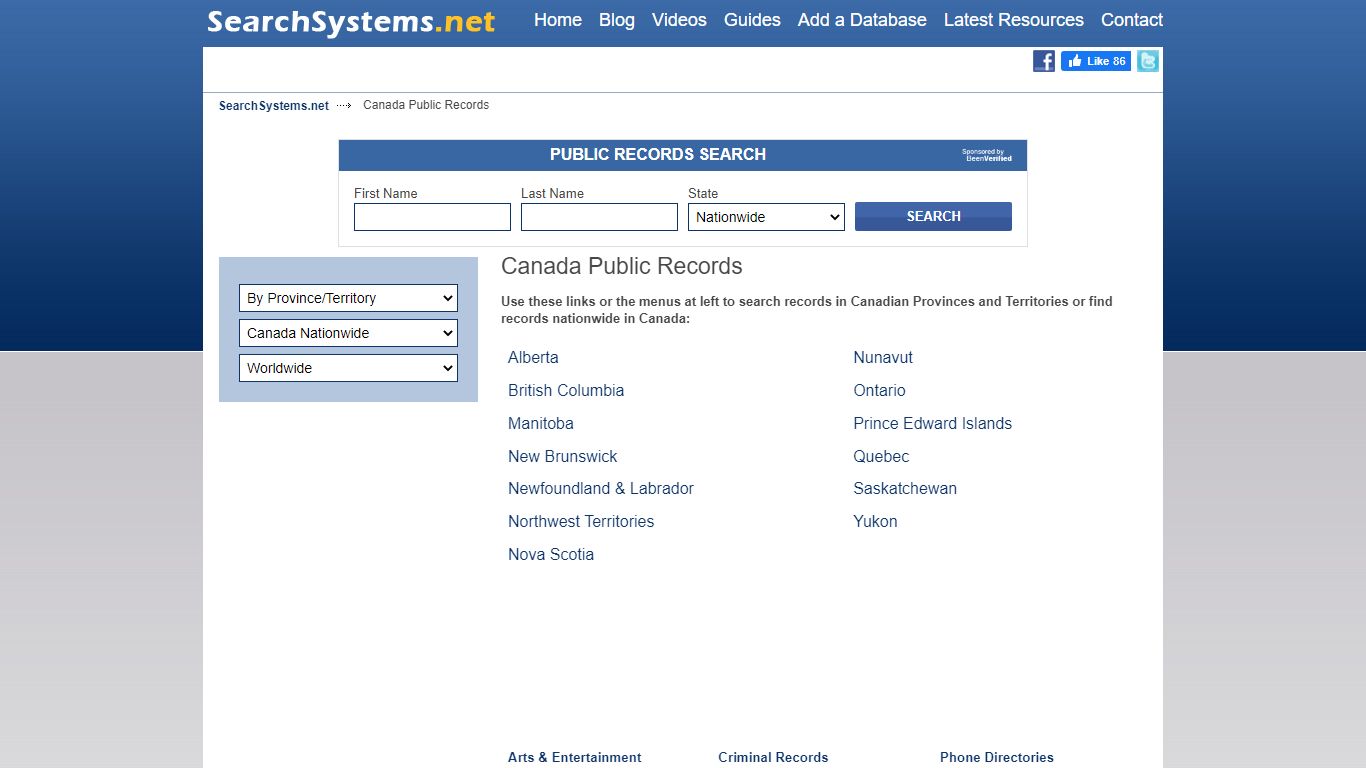
Each province and territory maintains its own justice and corrections databases. These include court records, inmate logs, and offender registries. SearchSystems.net aggregates data from all jurisdictions, offering access to over 500 million correctional and legal records.
Users can search by name, case number, or location. Results show birth certificates, marriage licenses, property ownership, and criminal histories. Data is refreshed monthly and sourced directly from government offices.
This centralized approach simplifies searches for researchers, employers, or legal professionals who need comprehensive background information across multiple regions.
Automated Fingerprint Identification System (AFIS)
The RCMP’s AFIS technology compares submitted fingerprints against the national database with extreme accuracy. It performs a one-to-one match, confirming identity beyond reasonable doubt. This system is used in criminal investigations, border control, and civil background checks.
AFIS reduces human error and speeds up verification. Police can identify suspects within minutes, even if they use aliases. The system also flags individuals with prior convictions or outstanding warrants.
Only trained personnel can operate AFIS. All matches are reviewed manually before inclusion in official reports. This ensures fairness and compliance with privacy regulations.
Wanted Persons and Nationwide Warrants
The CBSA and RCMP collaborate to track individuals subject to nationwide arrest warrants. These include people wanted for immigration violations, customs fraud, or serious crimes. The public list is updated regularly and accessible through official government portals.
Each entry includes the person’s name, photo (if available), offense, and issuing agency. Citizens are encouraged to report sightings but never approach suspects directly.
This transparency supports community safety while respecting due process. Warrants remain active until served or canceled by the court.
Background Checks for Employment and Licensing
Employers across Canada use criminal record checks to screen job applicants. Industries like healthcare, education, and finance require these checks for roles involving vulnerable populations or sensitive data.
Licensing boards for professions such as real estate, security, or transportation also mandate background screenings. Applicants must consent before any check is conducted.
Results are shared only with authorized parties. Employers cannot discriminate based on minor or outdated offenses unless directly relevant to the job.
Privacy and Legal Rights
Canadian law protects personal information in arrest and criminal records. The Privacy Act and Charter of Rights limit who can access data and how it’s used. Individuals have the right to request corrections if records are inaccurate.
Employers must follow fair hiring practices. They cannot reject applicants solely based on arrests without convictions unless justified by job requirements.
People can obtain their own records through the RCMP. This helps verify accuracy and address errors before applying for jobs or visas.
How to Request Your Own Criminal Record
Canadian residents can request a copy of their criminal record from the RCMP. Start by visiting the official RCMP website and selecting the appropriate form. You’ll need to provide identification and pay the required fee.
For name-based checks, submit your full name, date of birth, and current address. If fingerprints are needed, visit an approved RCMP site for collection.
Processing takes up to ten business days. Expedited service is available for urgent needs like immigration applications. Results are mailed or emailed securely.
Third-Party Background Check Services
Several private companies offer fast background checks using government data. MyCRC, RecordsFinder.com, and SearchSystems.net provide instant or same-day reports for a fee.
These services are convenient but not always free. Always verify that the provider is authorized and complies with Canadian privacy laws.
Free options exist through official portals like the CBSA warrant list or provincial court websites. However, they may lack detail or require in-person visits.
Understanding Charge Status and Convictions
Arrest records show whether a person was charged, convicted, or released without charges. A charge means police believe there’s enough evidence for prosecution. A conviction requires a guilty verdict in court.
Not all arrests lead to convictions. Some cases are dropped due to lack of evidence or procedural issues. These still appear in records but are marked accordingly.
Employers and agencies must consider the context. Minor offenses from years ago may not affect eligibility for most jobs.
Immigration and Border Security Checks
The CBSA uses arrest and criminal records to assess admissibility. Foreign nationals with serious convictions may be denied entry or deported.
Even minor offenses can impact visa or permanent residency applications. Applicants must disclose all charges and provide official documents.
Legal advice is recommended for complex cases. Immigration officers review each situation individually based on current laws.
Missing Persons and Public Alerts
The RCMP maintains a national database of missing persons and unidentified remains. This resource helps families, investigators, and the public share information.
Alerts include photos, last known locations, and physical descriptions. Tips from the public often lead to breakthroughs in cold cases.
Reporting is anonymous and encouraged. Every piece of information could help bring someone home safely.
Court Records and Judicial Orders
Courts across Canada publish summaries of criminal cases, including charges, verdicts, and sentences. These are available through provincial justice websites or aggregated platforms.
Judicial orders such as restraining orders or bail conditions are also recorded. They remain active until expired or revoked by a judge.
Access varies by province. Some courts allow online searches; others require written requests or in-person visits.
Corrections and Offender Management
Provincial correctional systems track inmates, parolees, and probationers. Data includes sentence length, release dates, and supervision requirements.
This information supports public safety and reintegration programs. Employers may check offender status for high-risk roles.
All records are confidential and protected under privacy laws. Unauthorized disclosure is a criminal offense.
Data Accuracy and Error Correction
Mistakes in arrest records can harm reputations and limit opportunities. If you find incorrect information, contact the RCMP or local police immediately.
Provide proof such as court documents or identification. Agencies must investigate and correct errors within a reasonable time.
Keep copies of all correspondence. Persistent issues may require legal assistance or complaints to privacy commissioners.
International Comparisons: Canada vs. U.S. Arrest Records
Unlike the U.S., Canada does not maintain a public mugshot database. Arrest photos are rarely released unless part of an active investigation.
Canadian records emphasize privacy and rehabilitation. Expungement and record suspension programs allow individuals to clear old convictions under certain conditions.
The U.S. has more open access to arrest data, including mugshots and booking details. This creates different challenges around stigma and reintegration.
Technology and Future Developments
Canada continues to modernize its identification systems. Biometric upgrades, AI-assisted matching, and cloud-based access are being tested to improve speed and security.
New protocols ensure better integration between federal, provincial, and municipal databases. This reduces delays and improves accuracy.
Public trust remains a priority. All changes undergo rigorous review to balance safety with civil liberties.
Contact Information for Official Requests
For criminal record checks or CCRTIS inquiries, contact the Royal Canadian Mounted Police at:
Website: https://www.rcmp-grc.gc.ca/en/criminal-records
Phone: 1-800-222-2222 (toll-free within Canada)
Mail: RCMP National Headquarters, 73 Leikin Drive, Ottawa, ON K1A 0R2
Hours: Monday to Friday, 8:00 AM – 4:00 PM local time
For CBSA warrant lists or border-related records:
Website: https://www.canada.ca/en/services/policing/police/wanted.html
Phone: 1-800-461-9999
All requests must include proper identification and authorization. Unverified inquiries will not be processed.
Frequently Asked Questions
Many people have questions about how arrest records work in Canada, who can see them, and how to correct mistakes. Below are answers to the most common concerns based on current laws and official procedures.
Can anyone look up my arrest record online for free?
No, detailed arrest records are not freely available to the public online. Only authorized agencies like police, courts, or employers with consent can access full records. Some limited information, such as active CBSA warrants, is published on government websites. However, these lists do not include personal details beyond names and offenses. To view your own record, you must request it officially from the RCMP. Third-party sites may claim free access, but they often provide incomplete or outdated data. Always use trusted government sources to ensure accuracy and privacy protection.
Will an arrest without conviction show up on a background check?
Yes, an arrest without conviction may still appear on a criminal record check, depending on the type of search conducted. Name-based checks can return arrests even if no charges were proven. Fingerprint-based checks are more precise and reduce false matches. Employers and licensing bodies are advised to consider the context—such as the age of the incident and relevance to the role—before making decisions. Under Canadian human rights guidelines, discrimination based solely on arrests without convictions is discouraged unless directly related to job safety. You have the right to explain the situation during the hiring process.
How long do arrest records stay in the system?
Arrest records remain in national databases indefinitely unless sealed or suspended through legal processes. The RCMP retains fingerprint and warrant data for decades, especially for serious offenses. However, individuals can apply for a record suspension (formerly pardon) after completing their sentence and waiting period. If granted, the record is kept separate from regular searches used by most employers. Minor offenses may be eligible sooner, while violent or sexual crimes have longer waiting periods. Always consult the Parole Board of Canada for eligibility rules.
Can I remove my name from a public warrant list?
No, you cannot remove your name from an official warrant list until the warrant is resolved by law enforcement or the court. These lists are maintained for public safety and transparency. If you believe a warrant is issued in error, contact the issuing agency or seek legal help immediately. Once the matter is cleared—either through arrest, dismissal, or expiration—the warrant is updated in the system. The CBSA and RCMP regularly review and remove outdated entries. Do not ignore a warrant; doing so can lead to additional charges.
Are fingerprint checks more accurate than name checks?
Yes, fingerprint checks are significantly more accurate than name-based searches. The RCMP’s AFIS system performs a one-to-one match, minimizing errors caused by similar names or typos. Misidentification risk drops to less than one in a thousand with fingerprints. Name checks rely on spelling and date of birth, which can lead to false positives. For this reason, many employers and government agencies require fingerprint verification for sensitive positions. While name checks cost less and process faster, fingerprints provide certainty when identity is unclear.
What should I do if my background check shows incorrect information?
If your background check contains errors, contact the RCMP or the agency that conducted the search right away. Provide supporting documents like court dispositions, identification, or proof of identity. The RCMP has a formal process to review and correct mistakes in their databases. Keep records of all communications. If the issue isn’t resolved, you can file a complaint with the Office of the Privacy Commissioner of Canada. Employers who rely on inaccurate data may also face liability under human rights laws.
Can foreign nationals access Canadian arrest records?
Foreign nationals can request their own Canadian criminal records if they have lived or traveled in Canada. The process is the same as for residents: submit a formal application to the RCMP with identification and fees. Results are sent to the applicant’s address. However, foreign governments or agencies cannot access these records without proper legal channels, such as mutual legal assistance treaties. Immigration officers may review records during visa or citizenship applications, but only authorized personnel handle the data.